
How Far Do You Have to Be for a Condenser Mic?
Whether you are recording a podcast, streaming games, attending online meetings, creating YouTube videos, or recording vocals, getting the distance right between you and your condenser microphone can make a huge difference in sound quality. Many people spend money on a good microphone but still end up with recordings that sound too quiet, too boomy, or full of unwanted background noise. In most cases, the problem is not the microphone itself. Instead, it comes down to how far you are sitting or standing from it.
Unlike many dynamic microphones, condenser microphones are highly sensitive. They are designed to capture even the smallest details in your voice, making them an excellent choice for professional-quality recordings. However, that sensitivity also means they pick up room noise, keyboard clicks, fans, and echoes if they are not positioned correctly.
The good news is that finding the ideal distance is not difficult. Once you understand a few basic principles, you can consistently achieve clear, natural, and professional-sounding audio without expensive equipment or advanced editing.
In this guide, you will learn how far you should be from a condenser mic, why distance matters, how different recording situations affect microphone placement, and what you can do to improve your recordings.
How Far Do You Have to Be for a Condenser Mic?
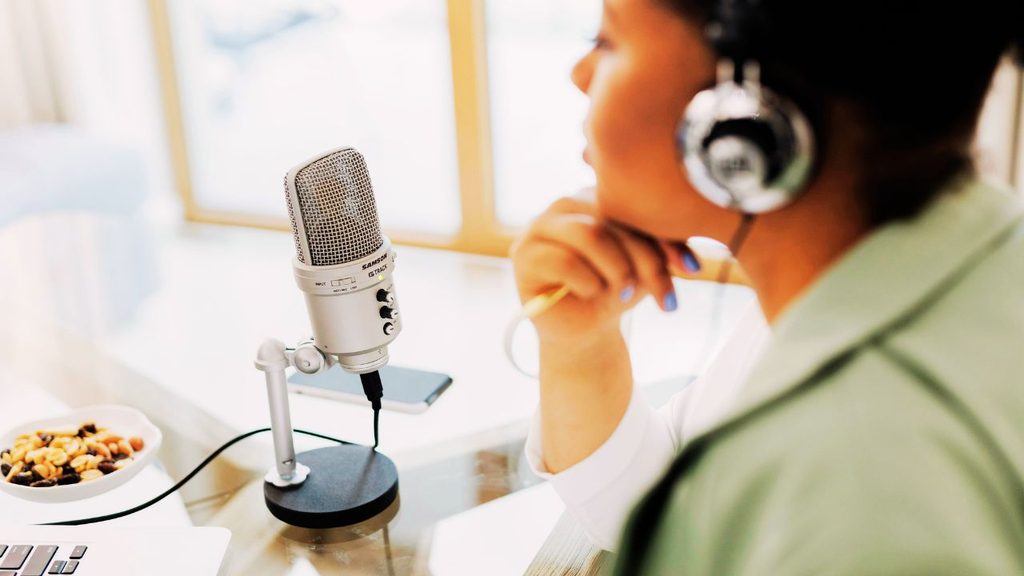
The ideal distance for most condenser microphones is between 6 and 12 inches from your mouth. This range provides an excellent balance between vocal clarity, natural tone, and minimal background noise.
However, there is no single distance that works for everyone. The best position depends on several factors, including the microphone’s pickup pattern, your speaking volume, your recording environment, and the type of content you are creating.
For example, someone recording a podcast in a quiet room may prefer sitting about 6 inches from the microphone, while someone singing loudly may move back to around 10 to 12 inches to prevent distortion.
The key is to remain at a consistent distance throughout the recording. Constantly moving closer or farther away causes noticeable changes in volume and tone, making your recording sound uneven.
Why Distance Matters
The distance between your mouth and the microphone directly affects how your recording sounds.
When you sit too close, your voice becomes louder and richer, but you may also create unwanted effects such as popping sounds, heavy breathing, and excessive bass caused by the proximity effect.
When you sit too far away, your voice becomes quieter while the microphone captures more of the surrounding room. Echoes, keyboard sounds, air conditioners, and other background noises become much more noticeable.
Finding the right balance allows your microphone to focus primarily on your voice instead of your environment.
The Best Distance for Different Uses
Podcast Recording
For podcasting, position yourself approximately 6 to 8 inches away from the microphone.
This distance provides a warm, full voice while keeping background noise under control. Pairing your microphone with a pop filter positioned a couple of inches in front of the mic helps eliminate popping sounds caused by letters like P and B.
Try speaking slightly off-center rather than directly into the microphone capsule. This simple adjustment further reduces plosive sounds while maintaining excellent vocal clarity.
Streaming and Gaming
If you stream games or create live content, staying around 6 to 10 inches from the microphone usually produces the best results.
Since gamers often move while playing, using a boom arm makes it easier to keep the microphone in the proper position. Consistent positioning helps your audience hear you clearly without sudden changes in volume.
If your mechanical keyboard is loud, placing the microphone closer to your mouth allows you to reduce the recording gain, minimizing keyboard noise.
Voice Overs
Voice actors generally work within 6 to 8 inches of the microphone.
This distance captures detailed vocal tones while preserving natural-sounding speech. Professional voice artists also record inside treated rooms or use acoustic panels to reduce echoes that sensitive condenser microphones can easily detect.
Singing
For singing, the ideal distance depends on vocal intensity.
Soft singers often perform comfortably around 6 inches from the microphone.
Louder singers may move back to 10 or even 12 inches to avoid clipping and distortion during powerful notes.
Professional vocalists sometimes adjust their distance slightly during a performance, moving back for louder sections and closer for softer passages.
What Happens If You Sit Too Close?
Many beginners assume that getting as close as possible will produce better audio. In reality, sitting extremely close often creates new problems.
When your mouth is only a couple of inches from the microphone, several issues may occur.
Your voice may become overly bass-heavy because of the proximity effect.
Breathing noises become much more noticeable.
Plosive sounds can create unpleasant bursts of air that overload the microphone.
Saliva and moisture may reach the microphone grille over time.
Small head movements can cause major volume changes.
Using a pop filter and maintaining a distance of at least 6 inches usually prevents these problems.
What Happens If You Sit Too Far Away?
Recording from across the room is another common mistake.
At distances beyond 12 to 18 inches, your microphone begins capturing much more of the room than your voice.
The recording may sound hollow or echoey.
Background sounds become louder.
Your voice loses clarity and detail.
Increasing microphone gain to compensate often makes unwanted noise even more noticeable.
If your recordings sound distant, moving your microphone closer is usually more effective than simply increasing the recording volume.
How to Find Your Perfect Distance
Every voice is different, so spending a few minutes testing your setup is worthwhile.
Start by placing your microphone about 6 inches from your mouth.
Record yourself reading the same paragraph several times.
Move the microphone to 8 inches, then 10 inches, recording the same passage each time.
Listen carefully using good headphones.
Pay attention to vocal clarity, bass response, breathing sounds, and room noise.
Choose the position that produces the most natural sound for your voice and recording space.
Use a Pop Filter
A pop filter is one of the simplest upgrades you can make.
It sits between your mouth and the microphone, reducing bursts of air caused by certain consonants.
Besides improving sound quality, it also helps you maintain a consistent recording distance because it naturally reminds you where to position yourself.
Most users place the pop filter about 2 to 3 inches in front of the microphone while speaking, and another 3 to 6 inches behind the filter.
Adjust the Microphone Angle
Pointing the microphone directly at your mouth is not always the best approach.
Instead, angle the microphone slightly to one side.
This small adjustment reduces popping sounds while maintaining excellent voice quality.
Many professional broadcasters speak just slightly past the microphone rather than directly into it.
Reduce Background Noise
Since condenser microphones are extremely sensitive, improving your room can significantly enhance recordings.
Close windows before recording.
Turn off unnecessary fans when possible.
Use curtains, rugs, or bookshelves to reduce echoes.
Avoid recording in empty rooms with hard walls.
Even simple room improvements often produce better results than buying a more expensive microphone.
Keep Your Position Consistent
Consistency is just as important as choosing the right distance.
If you frequently lean back in your chair or move around while talking, listeners will notice changes in volume.
Using a boom arm, an adjustable chair, and a proper desk setup helps you maintain the same position throughout the recording.
Professional creators often mark their preferred microphone position so they can quickly recreate the same setup every time they record.
FAQs
Is 6 inches the best distance for every condenser microphone?
No. While 6 inches works well for many microphones, the ideal distance depends on the microphone model, your voice, and your recording environment. Testing distances between 6 and 12 inches usually helps you find the sweet spot.
Can I speak directly into a condenser microphone?
You can, but it is generally better to speak slightly off-center. This reduces popping sounds and breathing noise while preserving clear audio.
Should I use a pop filter?
Yes. A pop filter improves sound quality by reducing plosive sounds and helps protect the microphone from moisture.
Why does my condenser microphone pick up everything?
Condenser microphones are designed to be highly sensitive. They capture detailed vocals but also record background noise and room reflections. Recording in a quieter room and positioning the microphone correctly can greatly improve your results.
Does microphone gain affect recording distance?
Yes. If your microphone is close to your mouth, you can usually lower the gain, reducing background noise. If the microphone is far away, raising the gain often makes unwanted sounds more noticeable.
Can I record from more than 12 inches away?
You can, but audio quality often suffers unless you are recording in a professionally treated studio. Staying within 6 to 12 inches generally provides much better results.
Summary
The ideal distance for a condenser microphone is typically 6 to 12 inches from your mouth. This range delivers a clear, natural, and balanced recording while minimizing unwanted background noise. Sitting too close can introduce excessive bass, popping sounds, and breathing noise, while sitting too far away allows echoes and room noise to dominate the recording.
For the best results, use a pop filter, position the microphone slightly off center, maintain a consistent speaking distance, and record in the quietest room possible. Spending a few minutes testing different microphone positions can dramatically improve your audio quality.
Whether you are recording podcasts, streaming, attending virtual meetings, or producing music, proper microphone placement is one of the easiest and most effective ways to achieve professional-sounding recordings.